Romito's Cave, located in the municipality of Papasidero in the province of Cosenza, represents one of the most important testimonies regarding the prehistoric history of Italy in general and Calabria in particular.
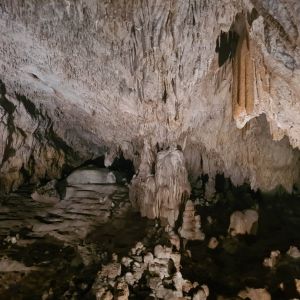
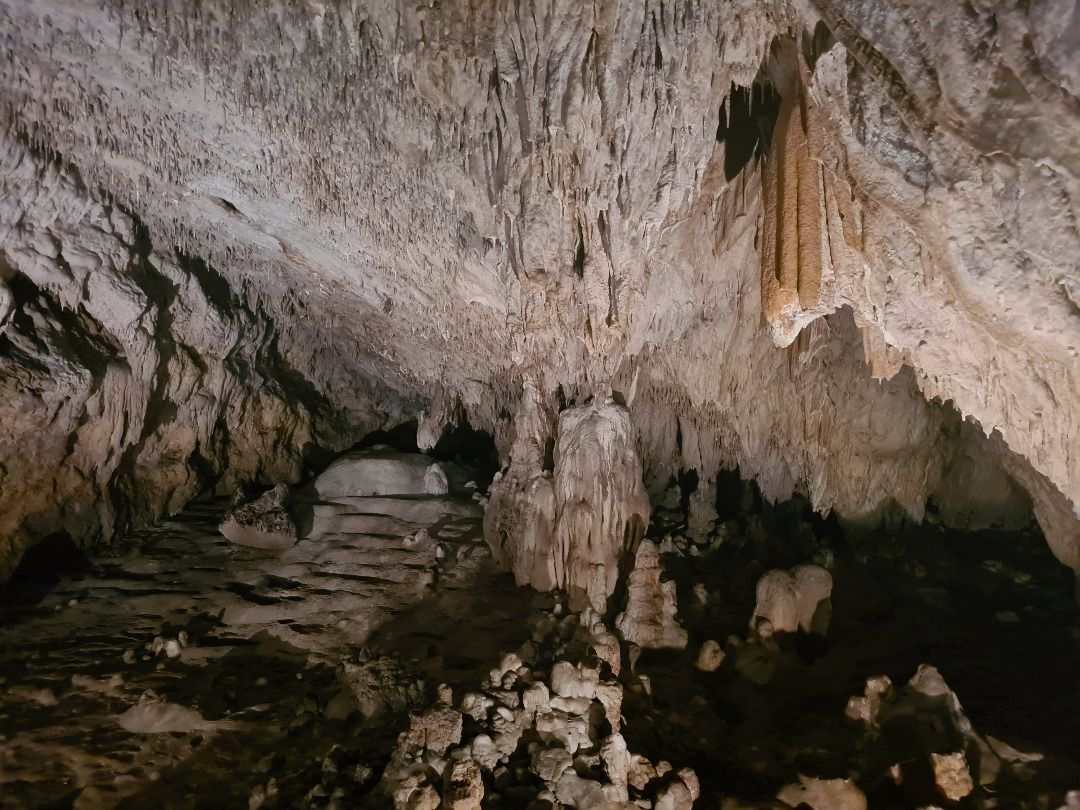
The site, consisting of a cave and a shelter, is situated within a narrow canyon in the heart of what is now the Pollino National Park, just a few meters from the Lao River.
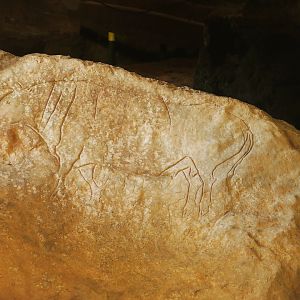
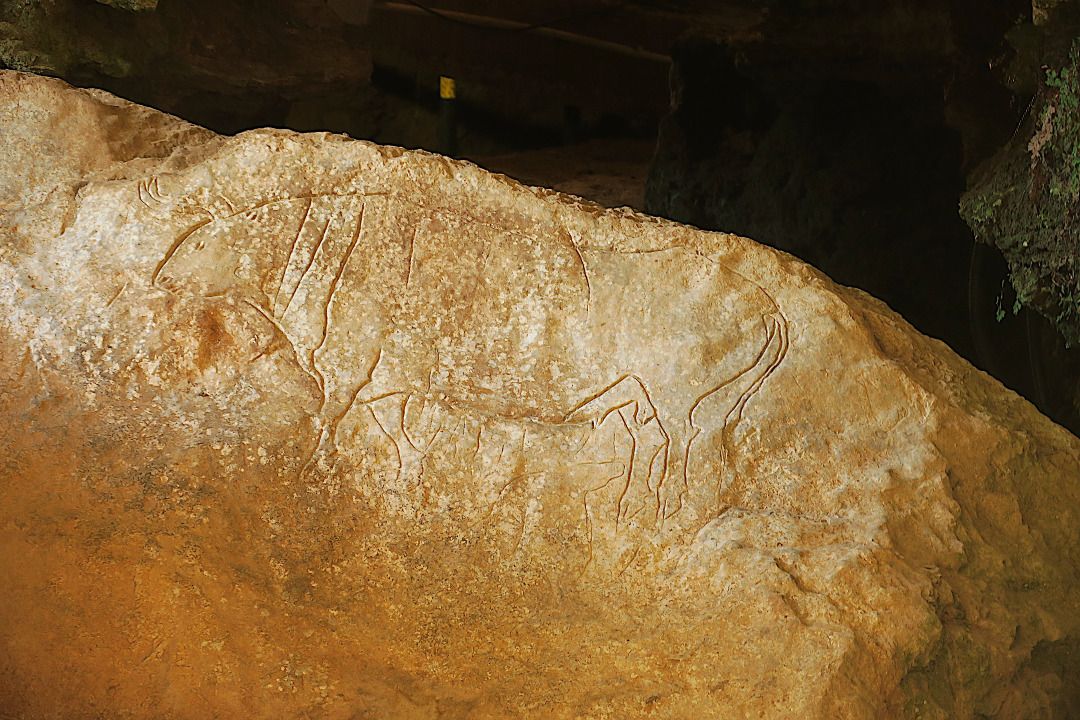
Excavations began in 1961 following the appearance, after a violent storm, of the large boulder bearing the engraving of the bos primigenius, an ancient ox that inhabited these territories. The research, initially led by Paolo Graziosi, a paleontologist and anthropologist from the University of Florence, continues to this day.
Studies have shown that the site has always been inhabited, starting from the Upper Paleolithic, at least 24,000 years ago when the main activities of the population were gathering and hunting, until the Neolithic, around 10,000 years ago, when the population became sedentary, dedicating themselves to agriculture and livestock, and the Mesolithic, as evidenced by the stalagmites present at the cave's closure dating back to 5,000 years ago.
The engraving representing the bos primigenius has become the symbol of Grotta del Romito and the entire Papasidero. Created on a large boulder, the engraving is an extraordinary testimony of rock art, well-detailed, and attentive even to anatomical details.
The site has also yielded burials that tell us much about the customs and way of life of the time. Inside the tombs, there are healthy and strong individuals as well as individuals with congenital malformations or who survived severe physical trauma, cared for by the rest of the population as they were not self-sufficient.
Attached to the cave and shelter, an Antiquarium tells the prehistoric history with multilingual exhibition panels, explaining the found artifacts and life customs.
The village of Papasidero rises prominently from the nature of Pollino, a guardian of millennia-old culture. Its churches contain Byzantine testimonies with frescoes that adorn the evocative Sanctuary dedicated to Santa Maria di Costantinopoli, the Church of San Costantino, and the Chapel of Santa Sofia.
It is also the capital of outdoor activities such as rafting, canyoning, torrentism, hiking, and orienteering.
Other places to explore:
- Eco-Museum of Wine and Rural Life - Verbicaro
- Devil's Bridge and Raganello Gorge - Civita
- Pollino Eco-Museum "Sandro Berardone" - Rotonda