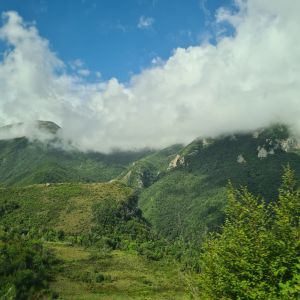
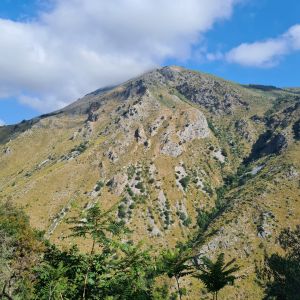
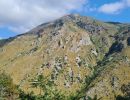
The Pollino National Park spans the regions of Calabria and Basilicata and, with its 1,925 square kilometers of nature, is the largest natural park in Italy. The Pollino Park is one of the UNESCO Geoparks and hosts, within its boundaries, the Pollinello Ancient Beech Forest, among the World Heritage sites.
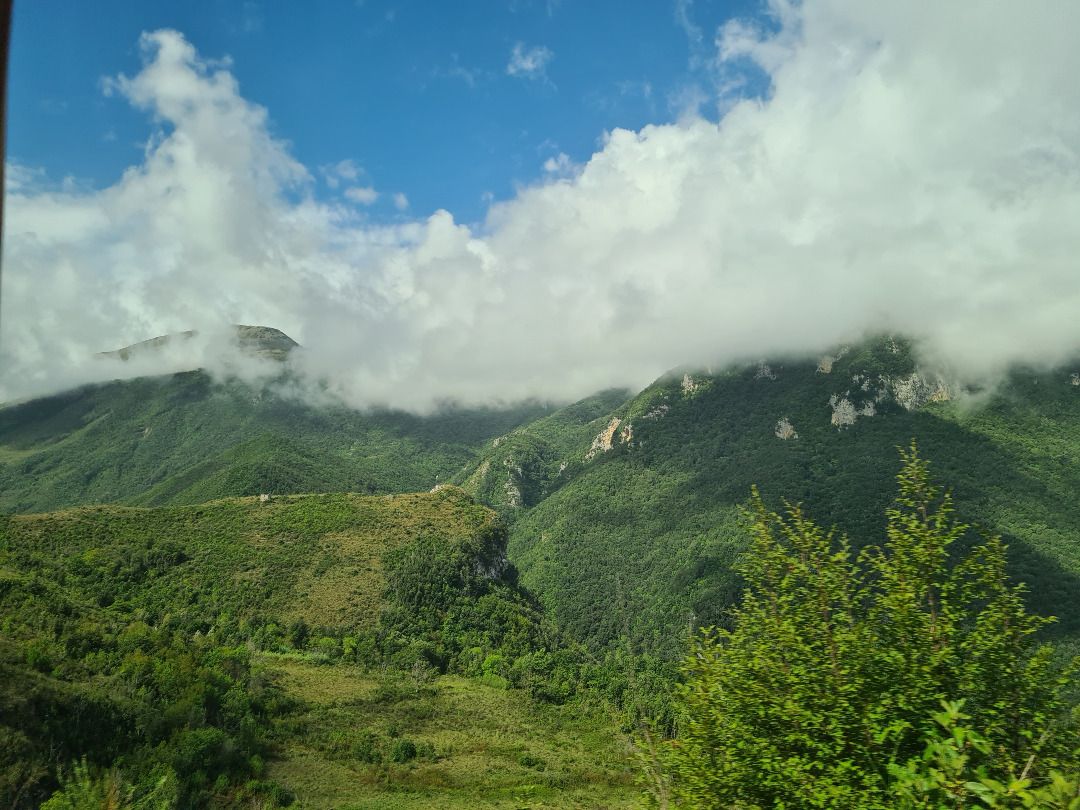
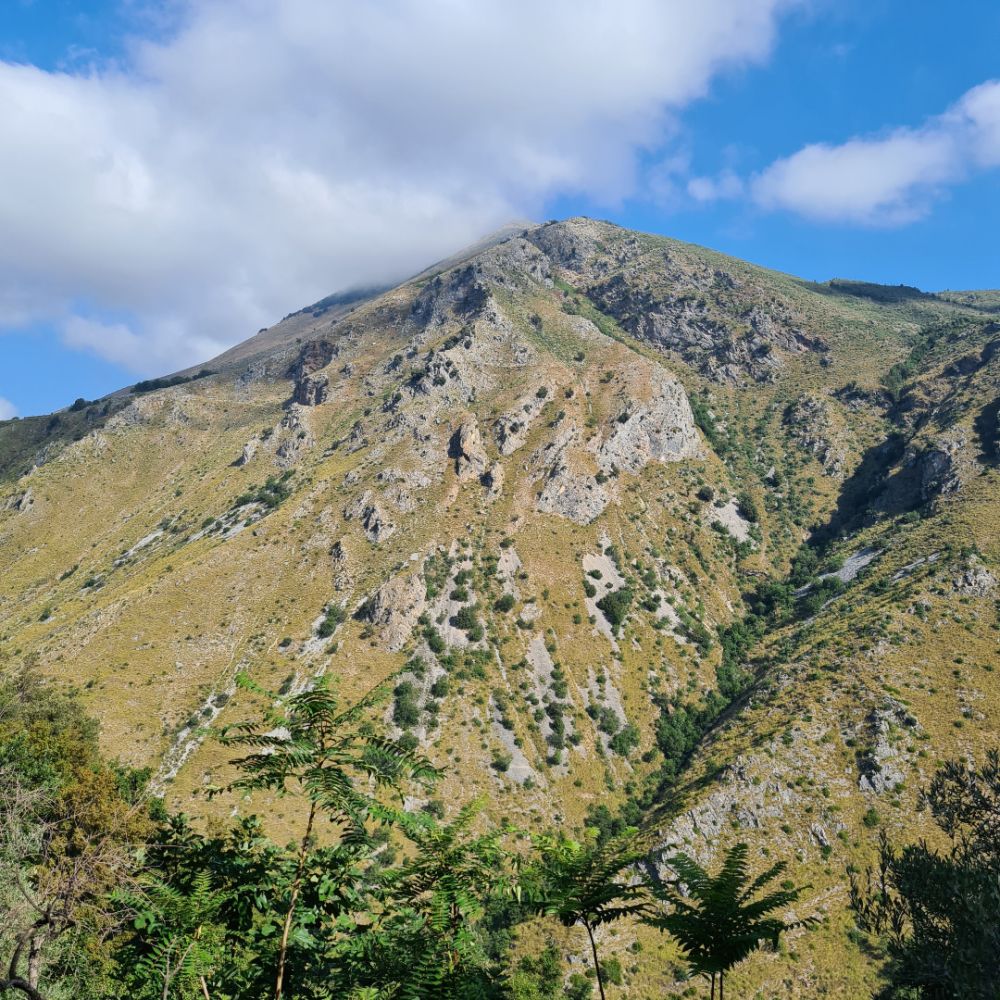
The symbol tree of Pollino is the Bosnian Pine, which can be found clinging to the rocky walls. The oldest specimen is a Bosnian Pine that dates back 1,230 years. Among the most important mountains, the Pollino and Orsomarso massifs offer an unimaginable panorama with views that encompass both the Tyrrhenian Sea and the Ionian Sea.
While hiking through the pristine landscapes, it is not uncommon to encounter herds of Mastino horses and other animals that still live in a wild or semi-wild state.
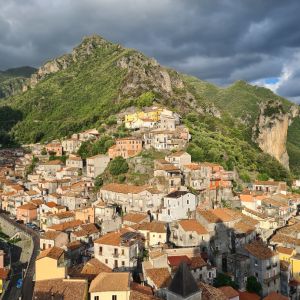
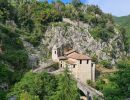
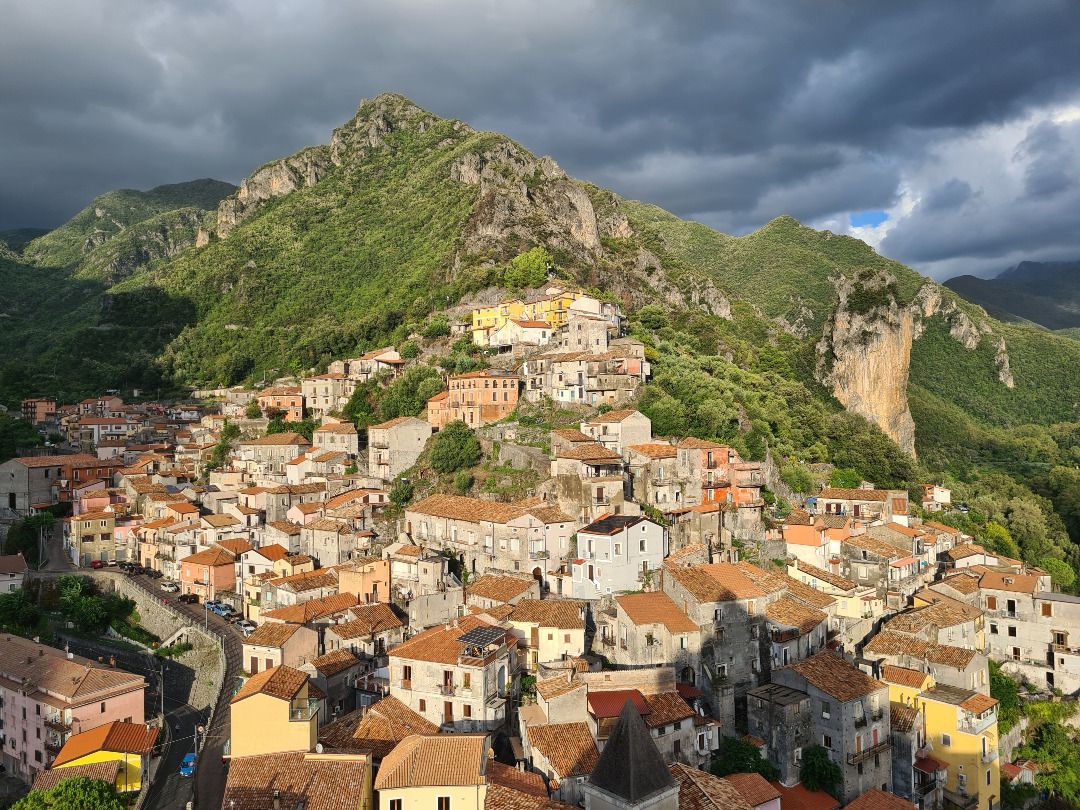
The villages of Pollino are populated by communities that jealously guard cultural values and popular traditions, such as Rotonda, where the Feast of Saint Anthony or Tree Festival has been held for millennia, or the villages of the Arbëreshë community.
Frascineto, Acquaformosa, Civita, and San Paolo Albanese are just some of the names of Arbëreshë villages that can be visited to be enchanted by the artistic and architectural wonders collected and created by the emigrants from Epirus.
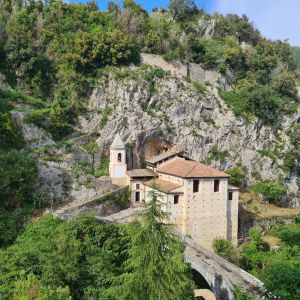
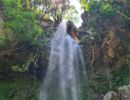
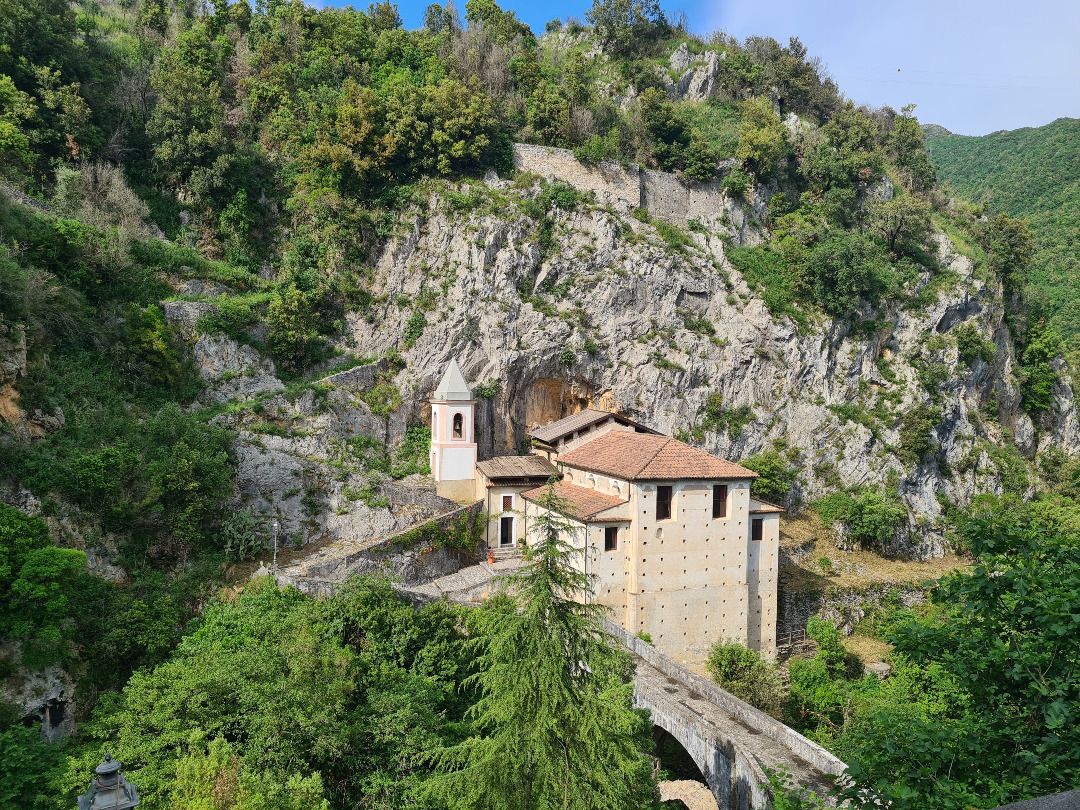
Other particularly suggestive places to visit include the Grotta Delle Ninfe in Cerchiara di Calabria; the Romito Cave in Papasidero; and the historic center of Morano Calabro.
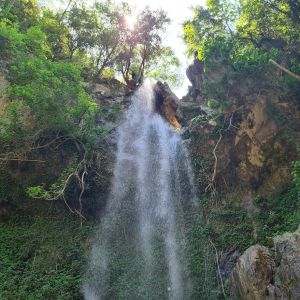
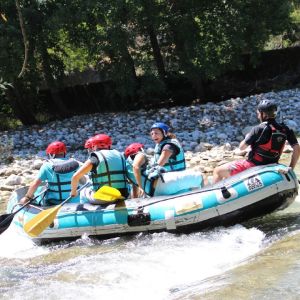
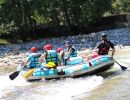
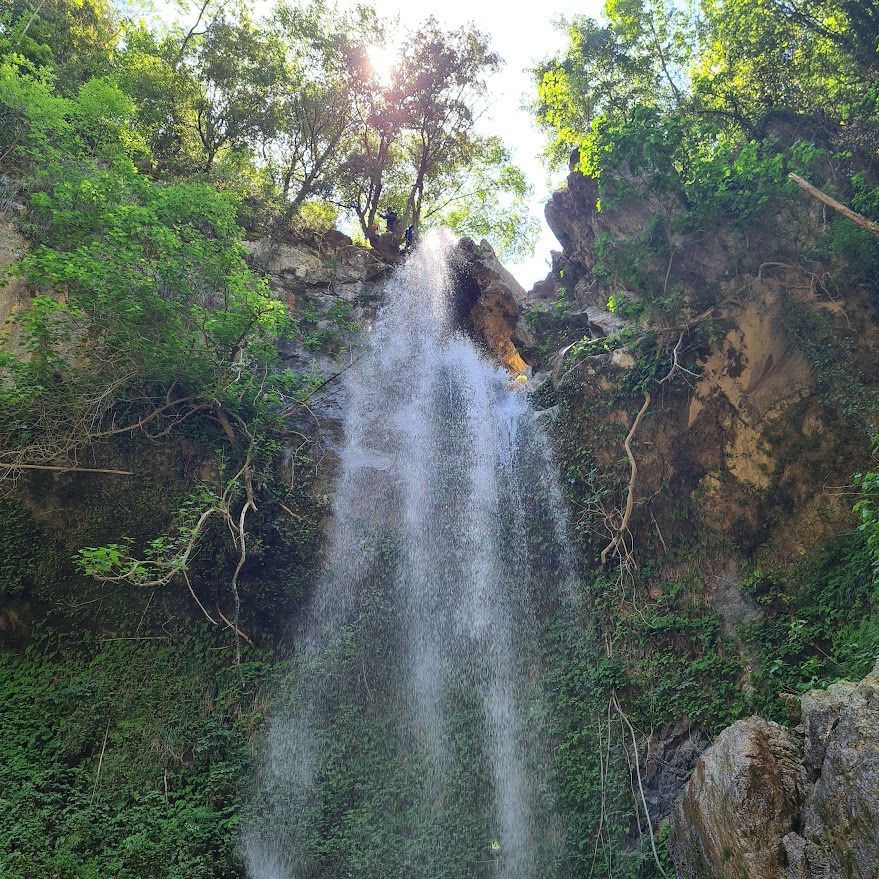
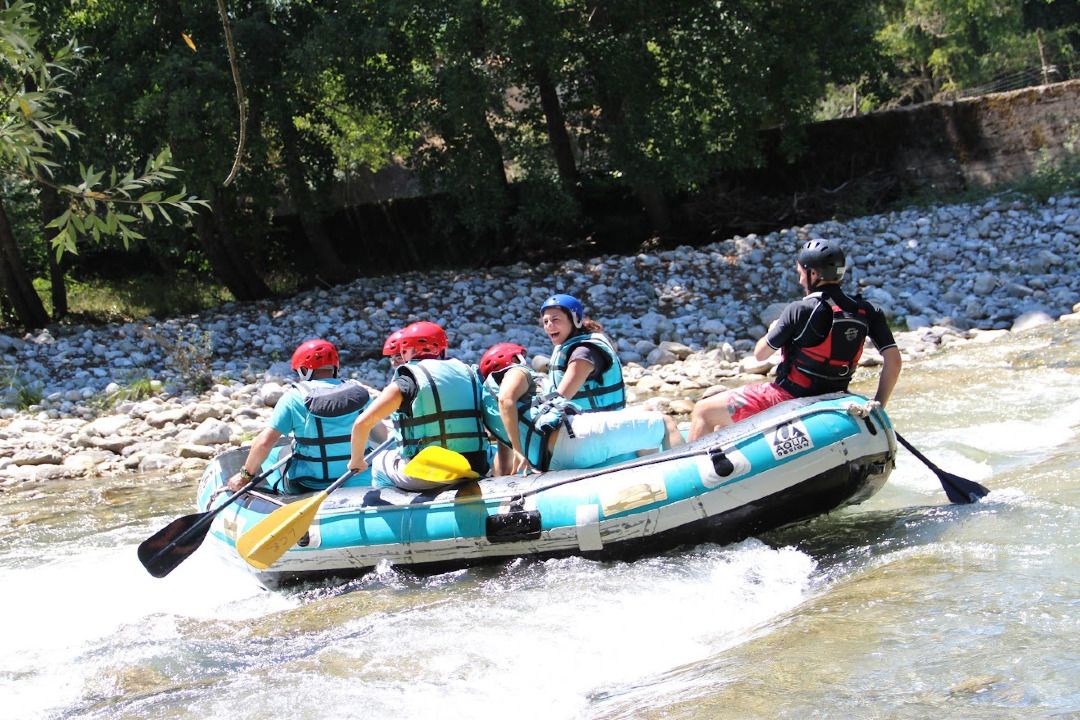
The Pollino National Park has also become the capital of outdoor sports thanks to the presence of numerous watercourses, gorges, and nature reserves. Among the sports that can be practiced in the heart of Pollino are rafting, canyoning, and canoeing, always safely thanks to the many professional operators active in the area.
Other places to explore:
- Greek-Byzantine Rite Church of San Giovanni - Acquaformosa
- Arbëreshë Ethnic Museum - Civita
- Romito Cave - Papasidero