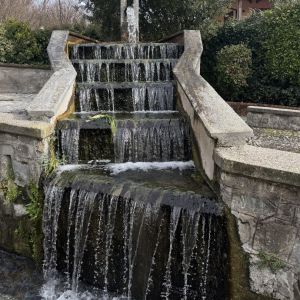
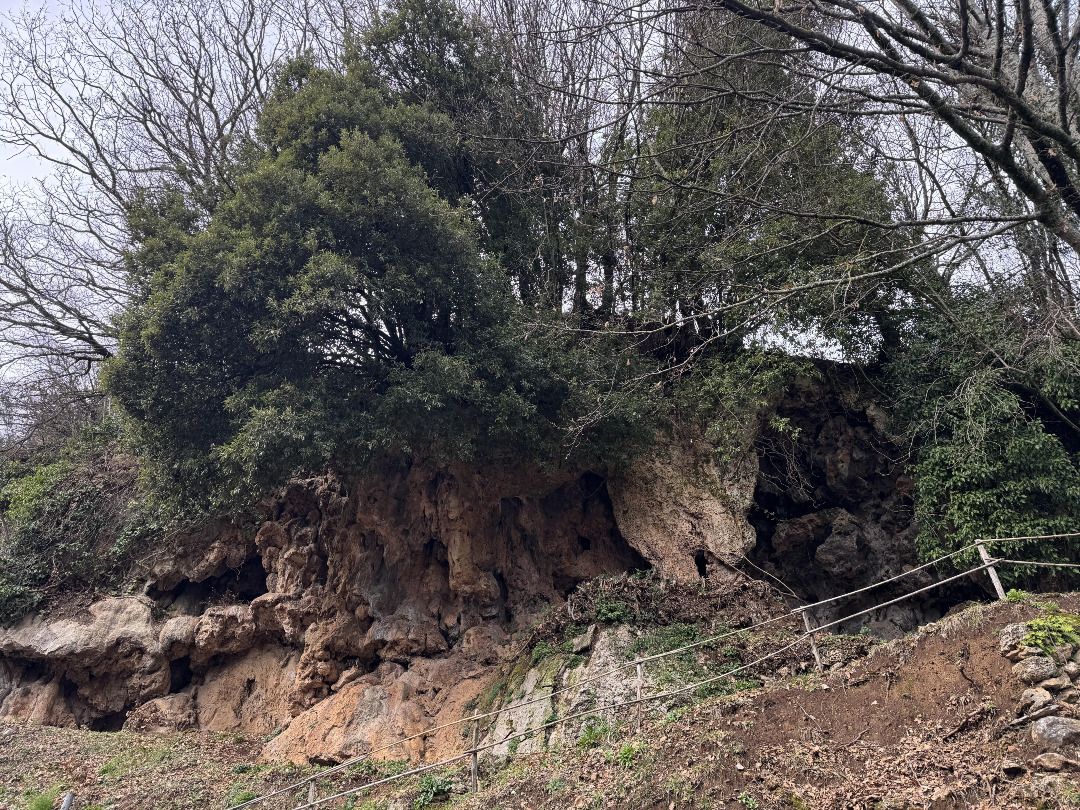
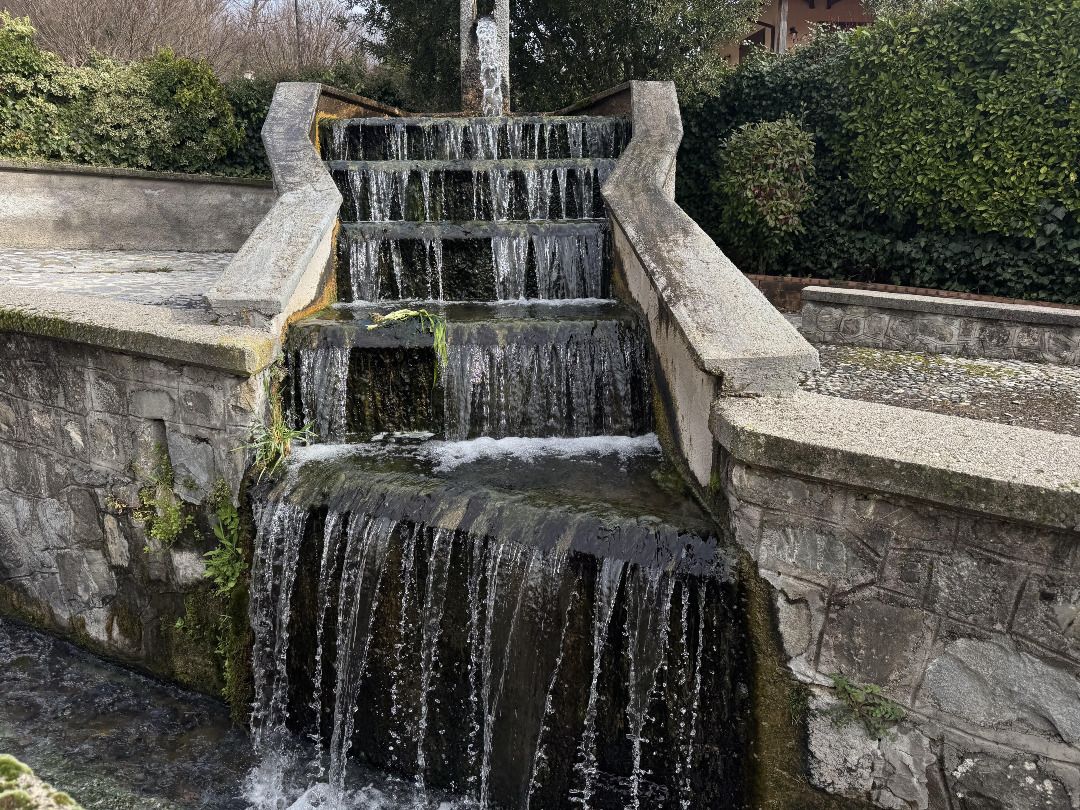
Sheer rock walls plunging steeply into rivers and streams, gorges carved into the rock giving rise to wild waterfalls, villages rooted in millennia-old history. This is the true essence of Pollino.
The Pollino National Park spans the regions of Calabria and Basilicata and, with its 192,565 hectares, is the largest National Park in Italy. Known worldwide as Pollino Global Geopark, it has been listed among UNESCO Geoparks as a World Heritage site since 2015. It is named after Mount Pollino, which, at 2,248 meters high, is one of the tallest peaks.
Nature and Adventure
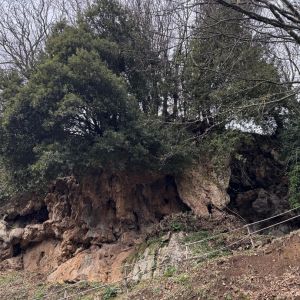
The park is a natural habitat for some endemic animal and plant species or those that have found a safe haven here against human encroachment: the Apennine wolf, the very rare wildcat, the Italian roe deer; the Pollino gentian and the peony peregrina along with many species of wild orchids that grow spontaneously, for example, near Sasso dei Greci in Buonvicino. Additionally, Pollino is the land of the majestic Bosnian pine, which can reach thirty meters in height and can grow even on sheer rock faces.
Pollino is the ideal destination for those who want to escape the stress of the city and immerse themselves in nature. Trekking enthusiasts can choose from various trails, ideal in every season. From hikes suitable for everyone, such as the discovery of the Argentino River Nature Reserve in Orsomarso; to the gentle slopes of the Piani di Novacco, behind Campotenese; to the steep ascents of Cozzo del Pellegrino in San Donato di Ninea.
Within the boundaries of the Pollino National Park, adventurous experiences unfold, practiced under the supervision of expert and attentive guides. Rafting on the Lao River is among the most sought-after outdoor sports by those who choose Pollino as an experiential destination, along with River Trekking, which allows you to wade through water and climb streams, and Canyoning, suitable for the more adventurous. Out of the water, you can choose from Adventure Parks, Quad biking, horseback riding, bike trekking, and even Paintball.
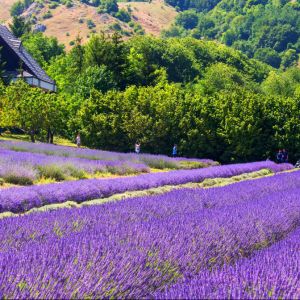
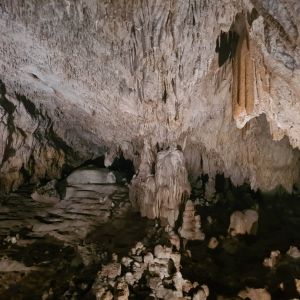
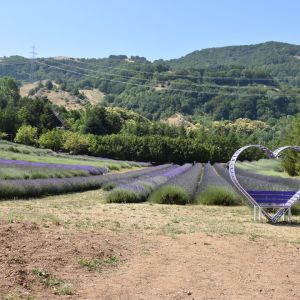
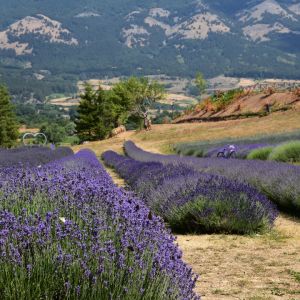
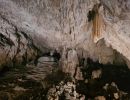
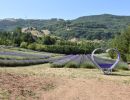
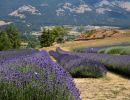
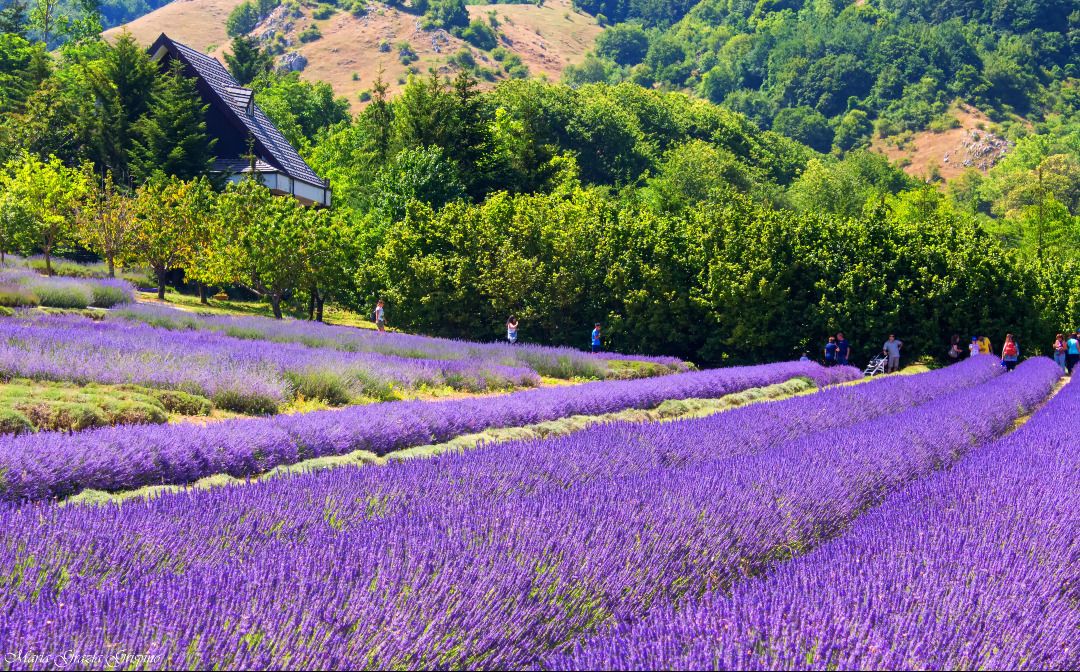
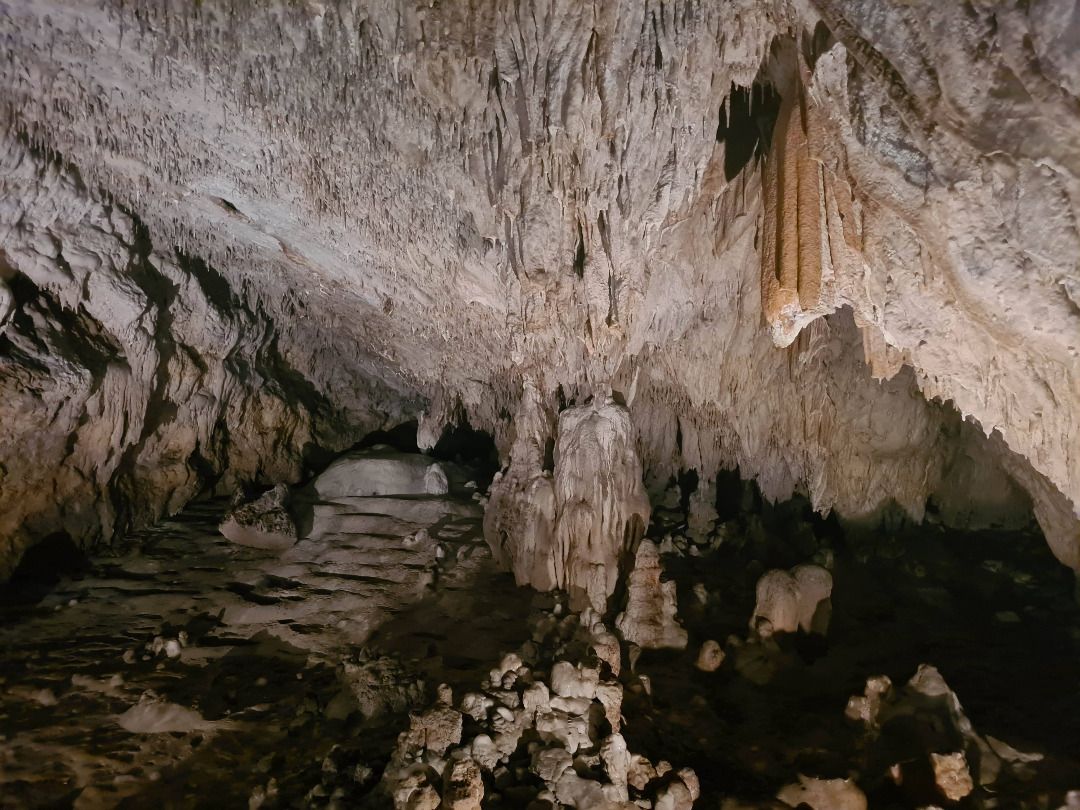
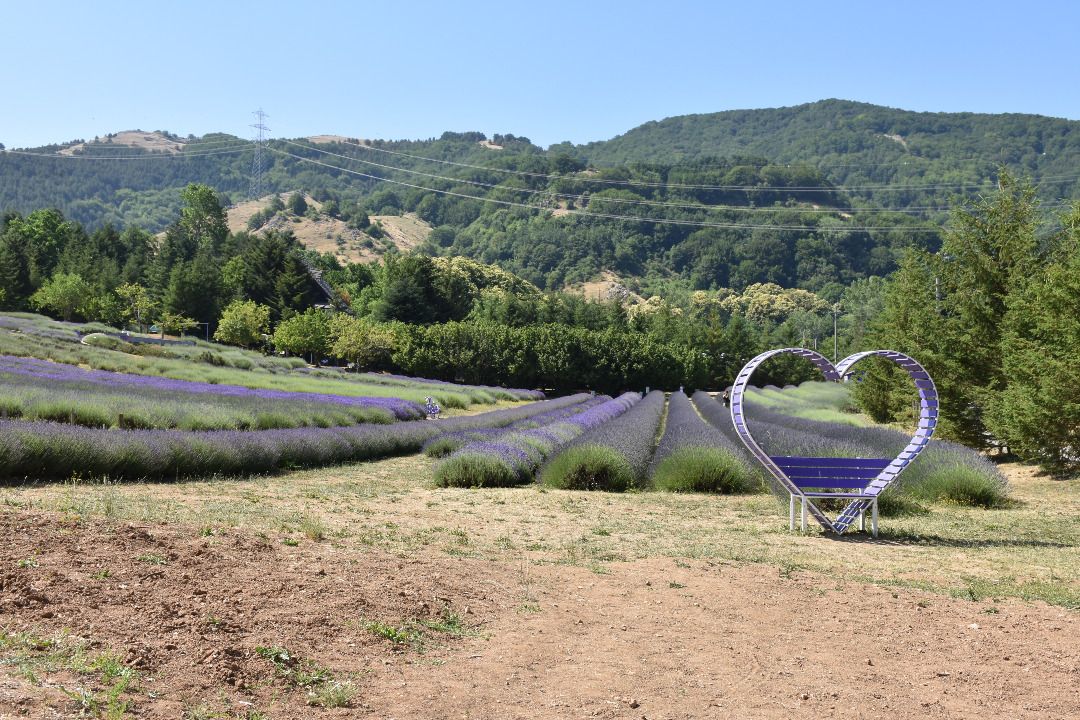
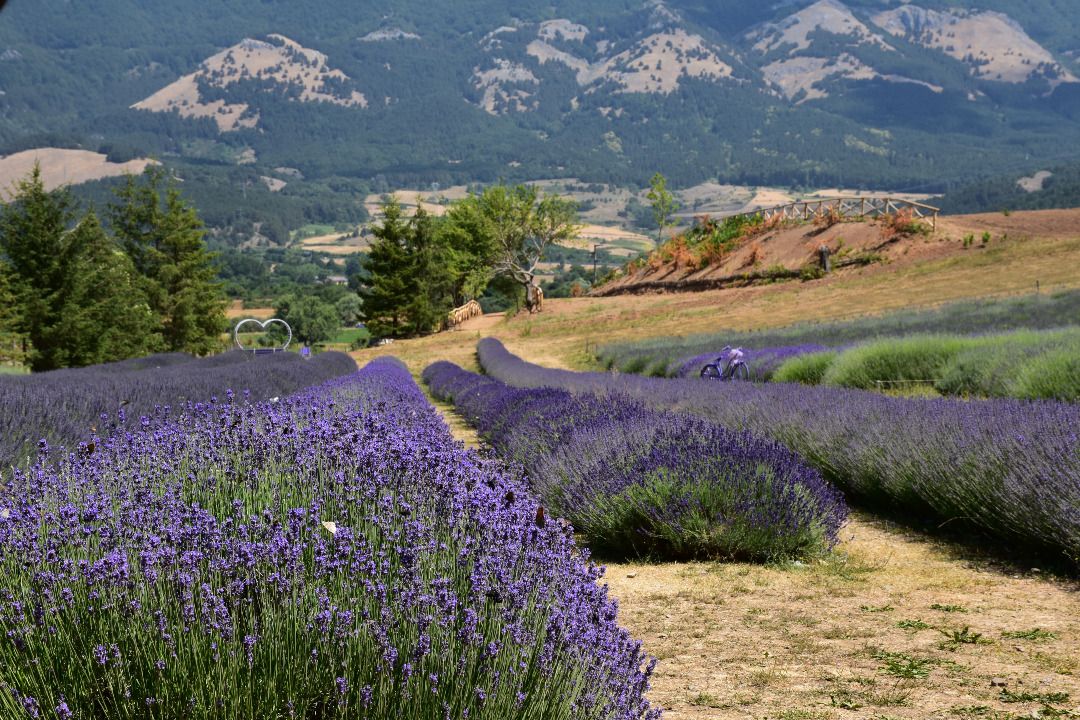
Different types of excursions allow you to explore the natural thermal pool of the Grotta delle Ninfe in Cerchiara di Calabria or to walk among the loricanda, the native lavender cultivated within the Lavender Park of the Rocco family in Morano Calabro.
History
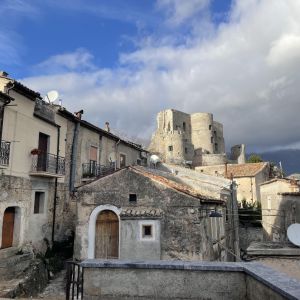
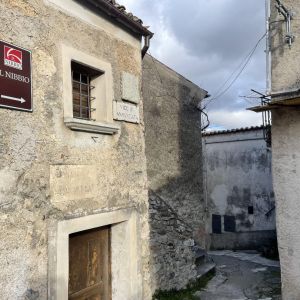
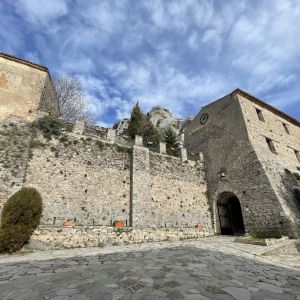
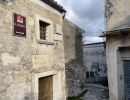
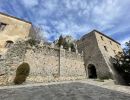
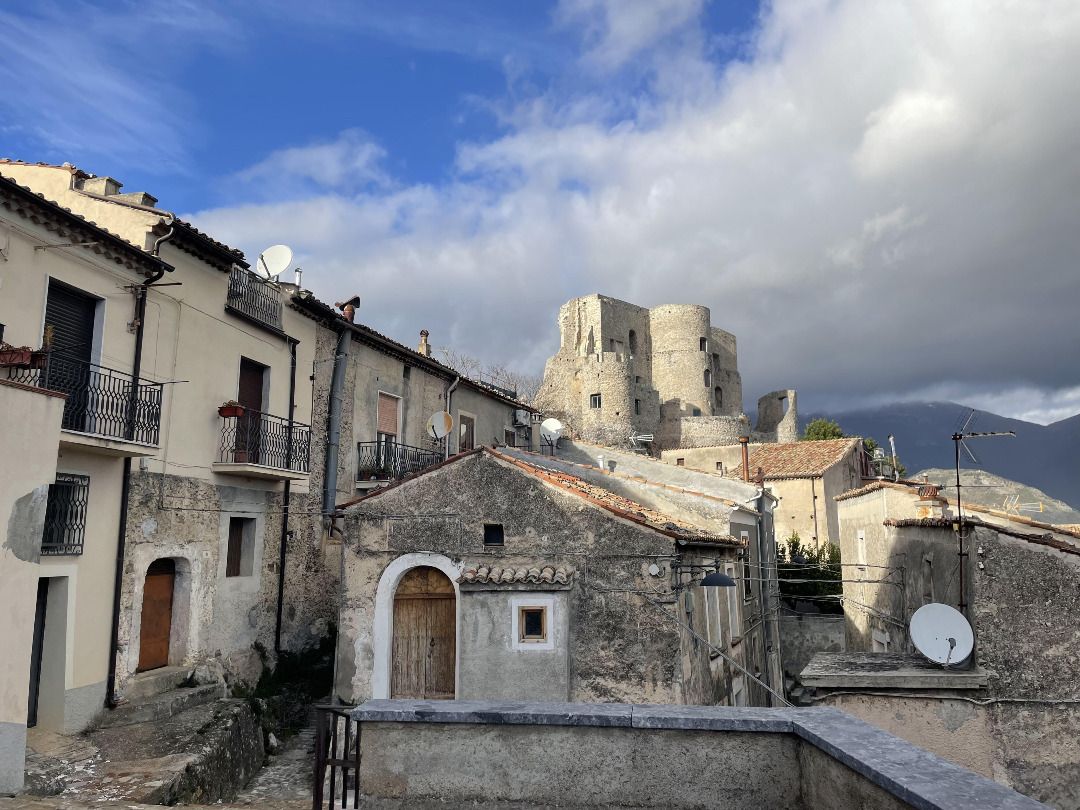
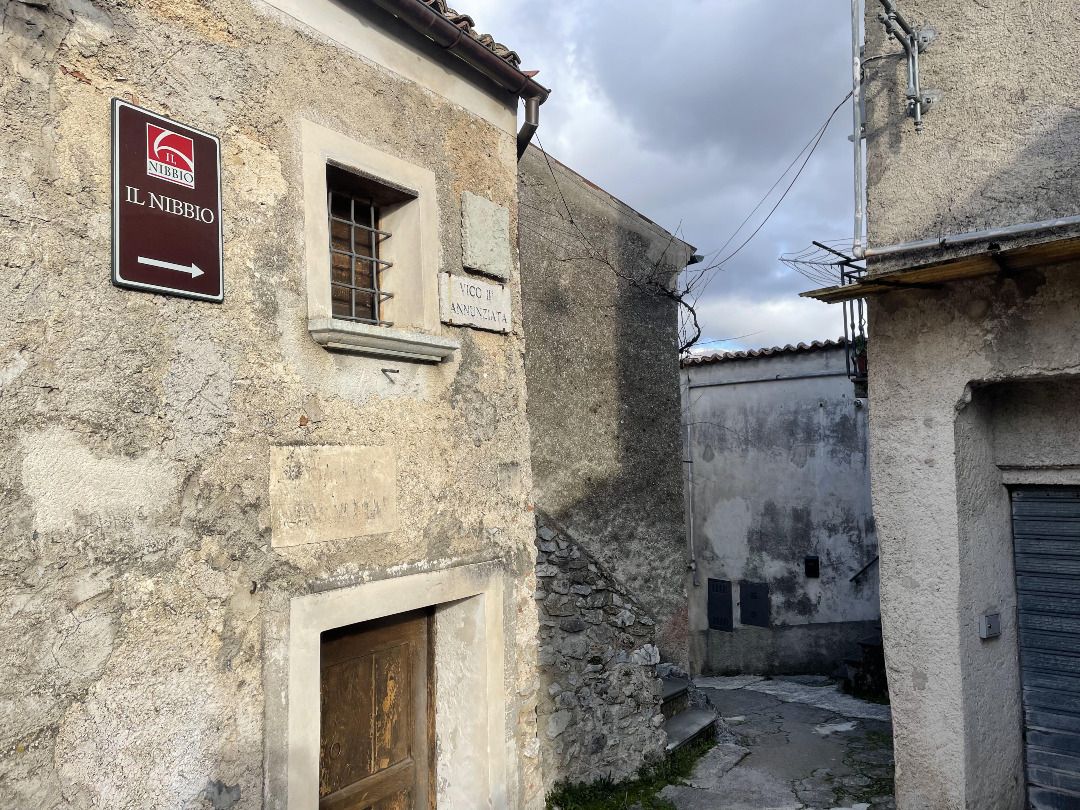
The encounter with Nature cannot be separated from the encounter with the History and Traditions of the small villages. Rotonda, Viggianello, Papasidero, Verbicaro maintain ancient traditions such as the "Tree Ritual" that occurs during the Feast of Saint Anthony or the "Rite of the Vattienti" during Easter.
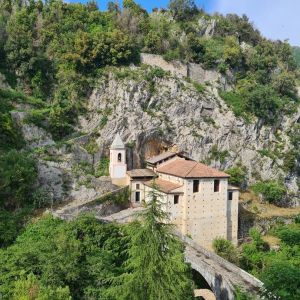
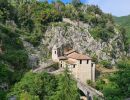
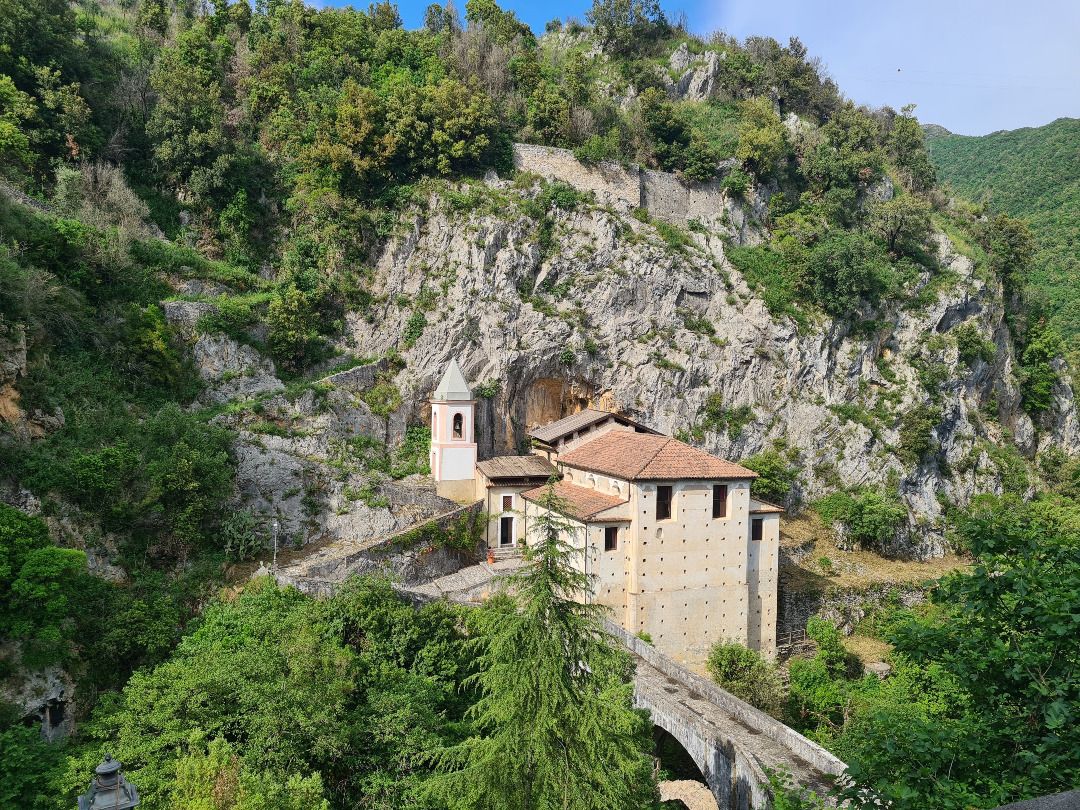
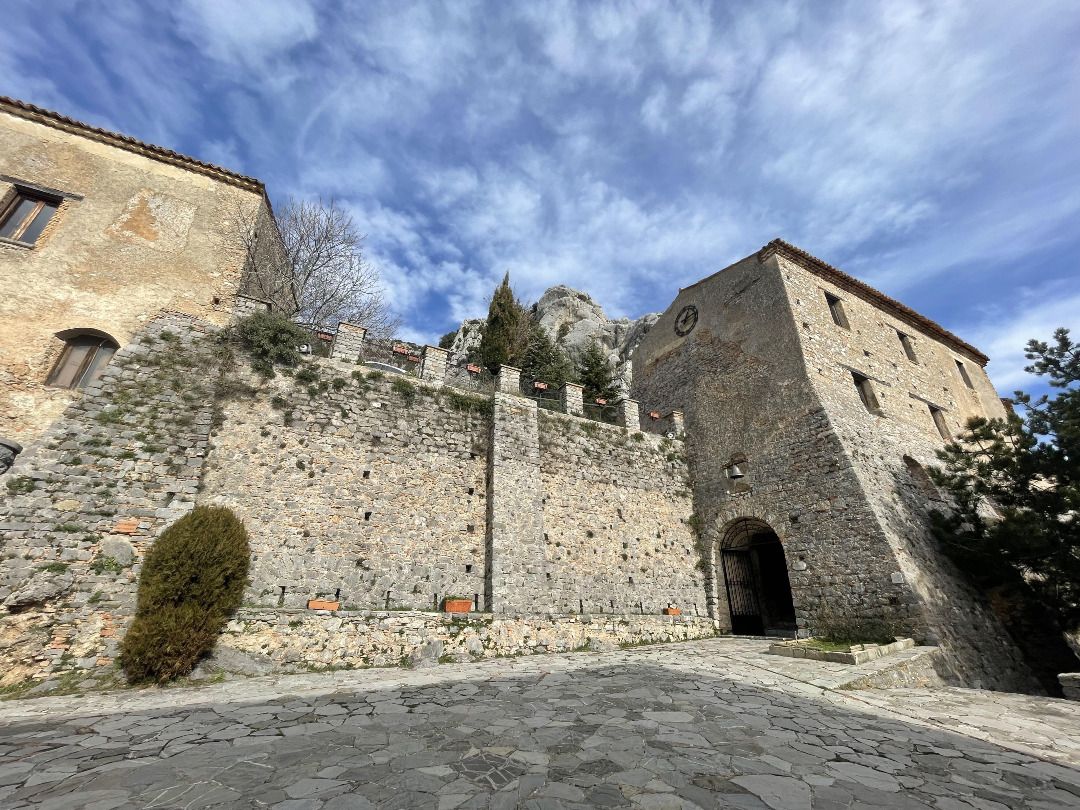
Guardians of a fascinating Byzantine past, the Sanctuary of Santa Maria di Costantinopoli in Papasidero, perched on the Lao River, and the Sanctuary of Santa Maria delle Armi in Cerchiara di Calabria, where the acheropita image of the Madonna and Child resides, are nestled in the rock on Pollino.
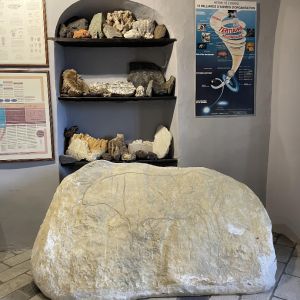
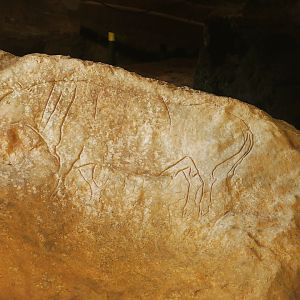
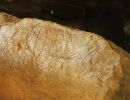
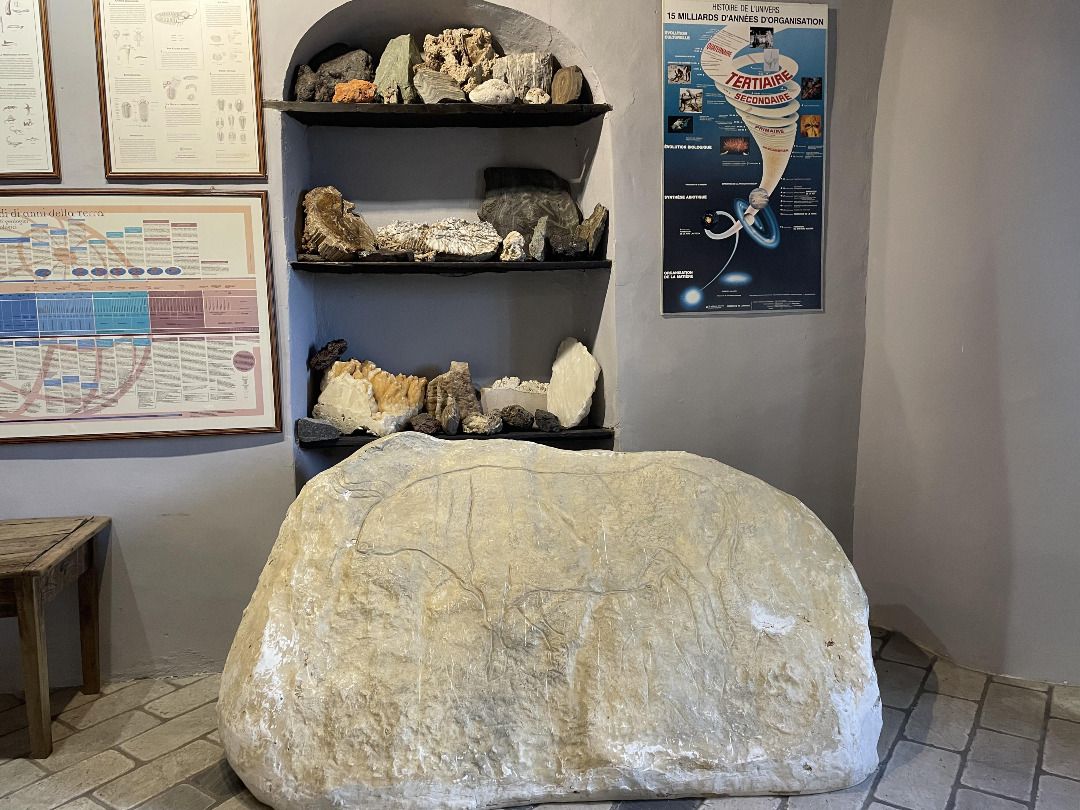
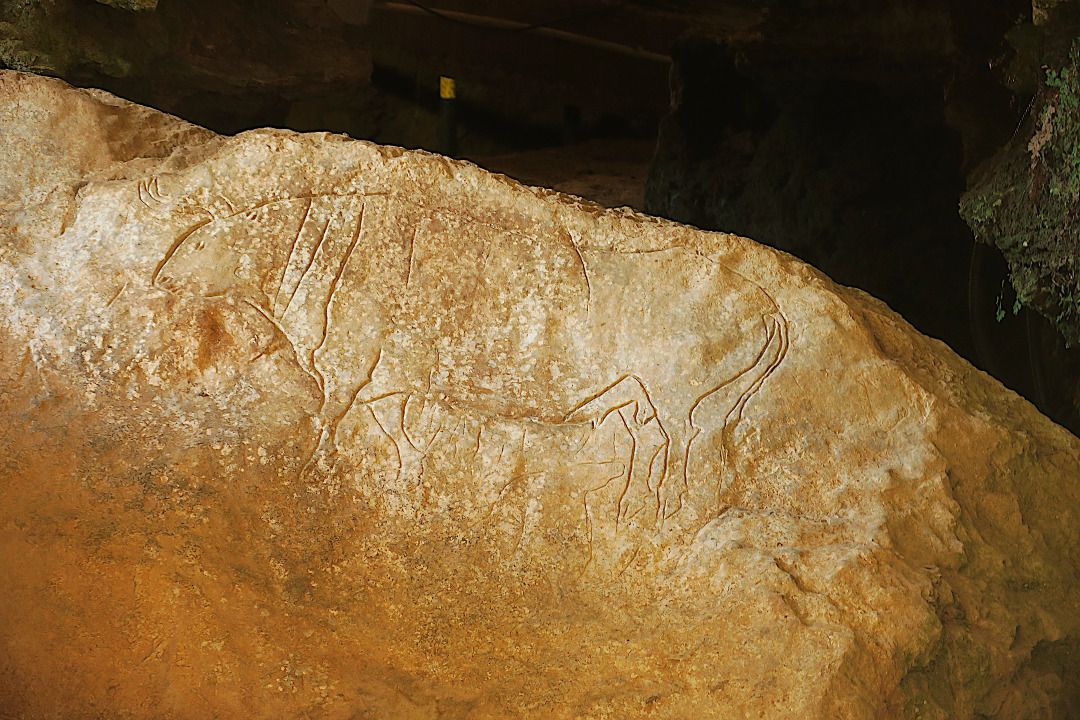
Also in Papasidero, prehistory speaks to us from the Grotta del Romito through the rock engraving depicting the bos primigenius, an ancient bovine that lived in these areas, and other testimonies from the Upper Paleolithic and Neolithic periods.
The Arbëreshë Communities
Over the centuries, Pollino has also offered refuge and hospitality to the Albanian people fleeing Turkish-Ottoman incursions. Acquaformosa (Firmoza), Civita (Çifti), Frascineto (Frasnita), San Paolo Albanese (Shën Pali) are some Arbëreshë towns where the Greek-Byzantine rite has remained unchanged for centuries, and traditions, including linguistic ones, are well rooted in the population, even the younger generations.
Gastronomy
You cannot leave Pollino without tasting the typical flavors of the tradition that today find full recognition in Italian cuisine. The red eggplant and the poverello bean of Rotonda, cultivated throughout the Mercure Valley, are both "Slow Food" presidia, while the Senise pepper has been IGP since 1996. Other delicacies include dairy products and cured meats; oil, wine, and honey, and the famous Bread of Cerchiara.
Get drunk by scents and flavors; to live the adventure; to dive into nature and ancient history is the best way to fully experience Pollino, not just to visit it.